
The British capital is home to an incalculable number of globally renowned landmarks, recognizable by billions of people all over the world. Nevertheless, none of which are as famous and revered as the Palace of Westminster's Elizabeth Tower, popularly known as the Big Ben. It then should come as no surprise that the conspicuous clock tower has inspired dozens of replicas and identical copies worldwide, eight of which are particularly interesting.

By: Scott Chipman
Date: 00:41 13.12.21
Last Update: 00:48 13.03.22
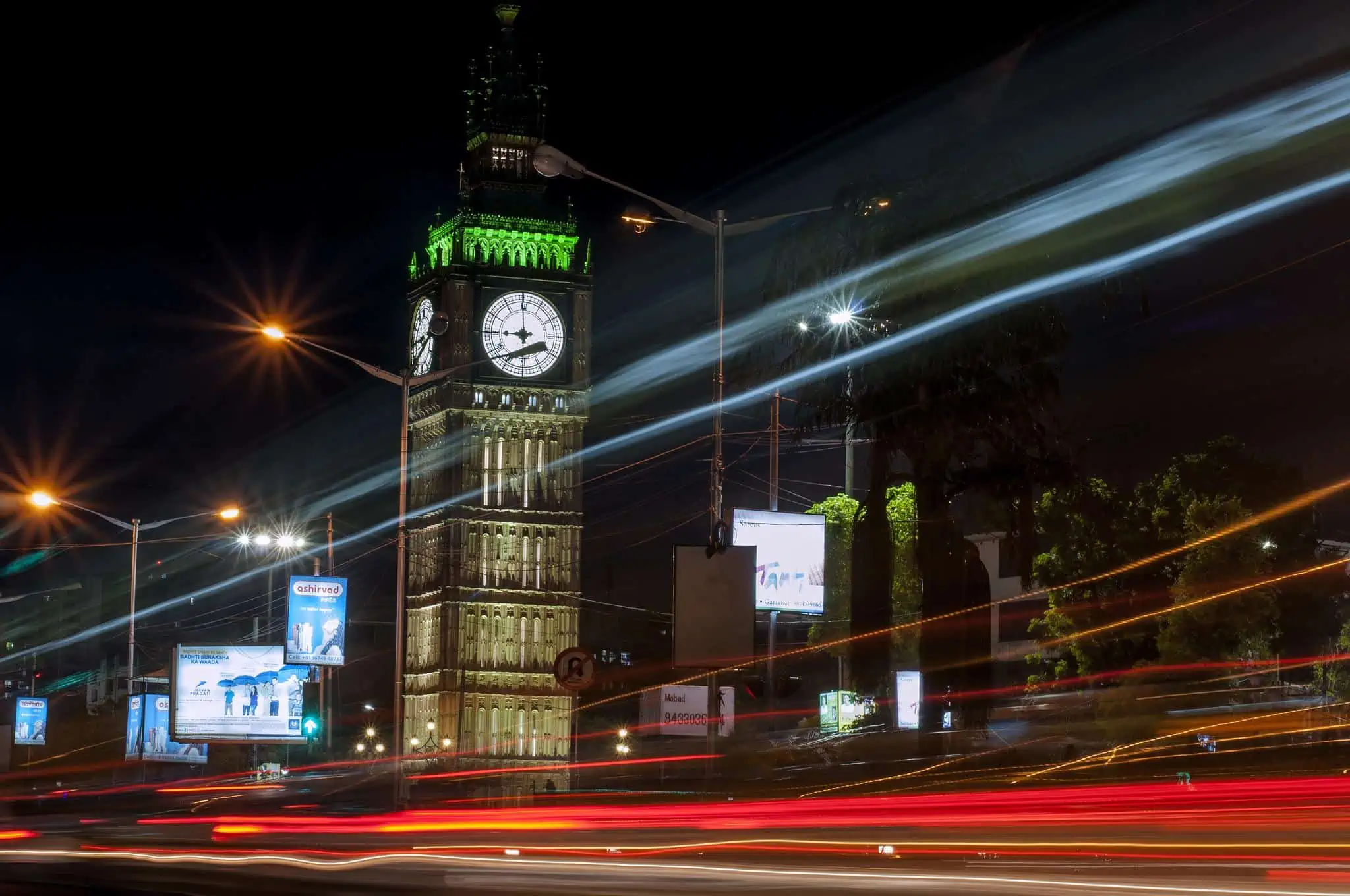
Ranked as the third most populous metropolis in India with over 15 million people, Kolkata is notoriously famous for its hectic street scenery and traffic congestion. In 2015, one local chief minister with the help of his party members decided to fight Kolkata’s infamously chaotic image by erecting a scale-down facsimile of the Big Ben in one of the city’s busiest junctions.
Nestled in the intersection of VIP and Lake Town roads, the 30-meter-tall replica is the centerpiece of a citywide beautification project. Like the London-based monument, it has four sides facing each of the cardinal directions, however, the clock dial’s diameter is merely half the size of the original tower. More than 155 years separate between the two buildings, and nowhere it is more apparent than in the way each of which was constructed, as the Indian replica’s most intricate details are in fact prefabricated cast blocks made of an ultra-strong polymeric material.
The British-style landmark soon became a pilgrimage site for curious Indians, but not without a great deal of controversy, as its many critics insist that the tower lacks any cultural context and that the city should focus on its own unique heritage rather than mimicking a foreign architecture.
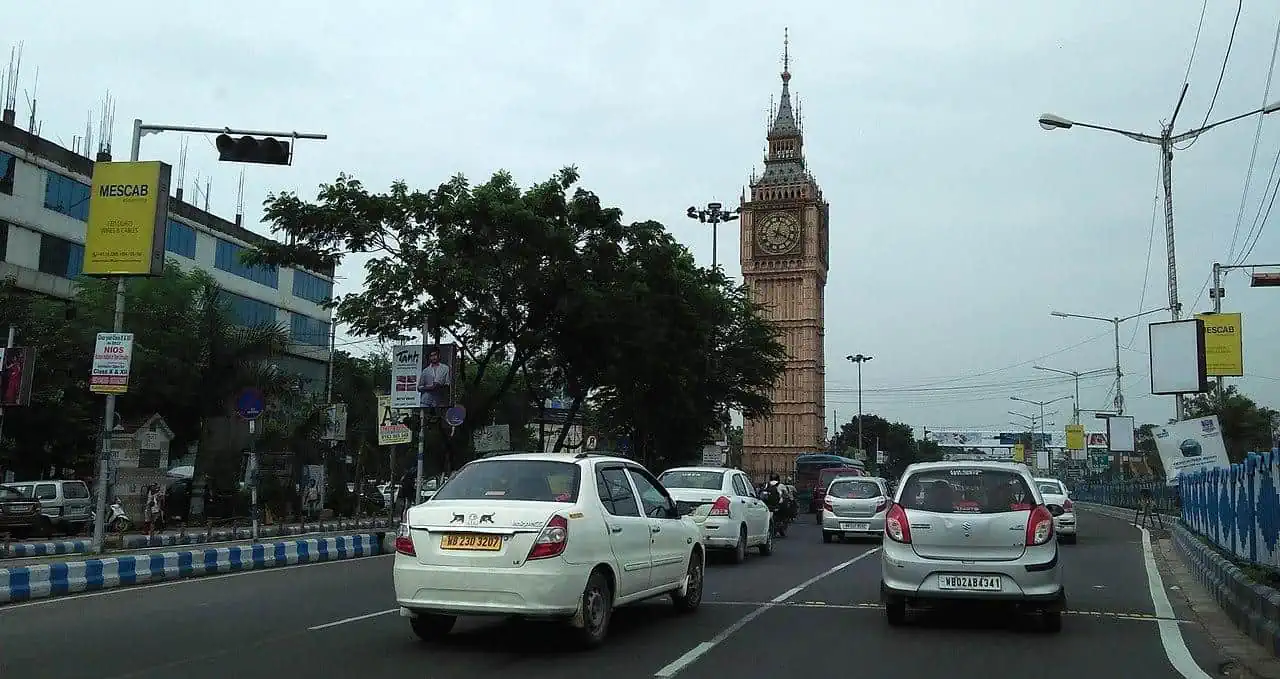
Kolkata's Big Ben along the congested VIP Road
photography by: Biswarup Ganguly/ Wikimedia Commons
Deemed as the unofficial gas capital of Russia, Surgut lies in the gas-rich Autonomous Okrug of Khanty-Mansi, in the far reaches of western Siberia. The city lives up to its informal moniker, as it hosts the headquarters of some of the country’s largest gas companies as well as the world’s second largest gas-fired power station.
Its somewhat gritty reputation was mitigated in 2004, when the city’s school of foreign languages inaugurated its brand-new lavish edifice, which bears an uncanny resemblance to the UK parliament and its famed clock tower. Embellished with lancet arches and angel sculptures, the 7 story Siberian Big Ben features four clocks that are partly covered with real gold, all of which were manufactured in England, yet their diameter is only one third of London’s tick-tocking devices.
It’s plausible to assume that some of you must be thinking that the building’s marvelous Neo-Gothic façade is merely a veneer, but as it turns out, it is far from true. Corridors with stained-glass windows, twenty classrooms, a splashy theater and a fashionable café at the ground level make this replica a citywide attraction. If you wonder about the unusual design choices, then according to the school’s management, the building’s British chic resonates with its role as an educational center, where locals study German, French, Spanish and most notably, English.
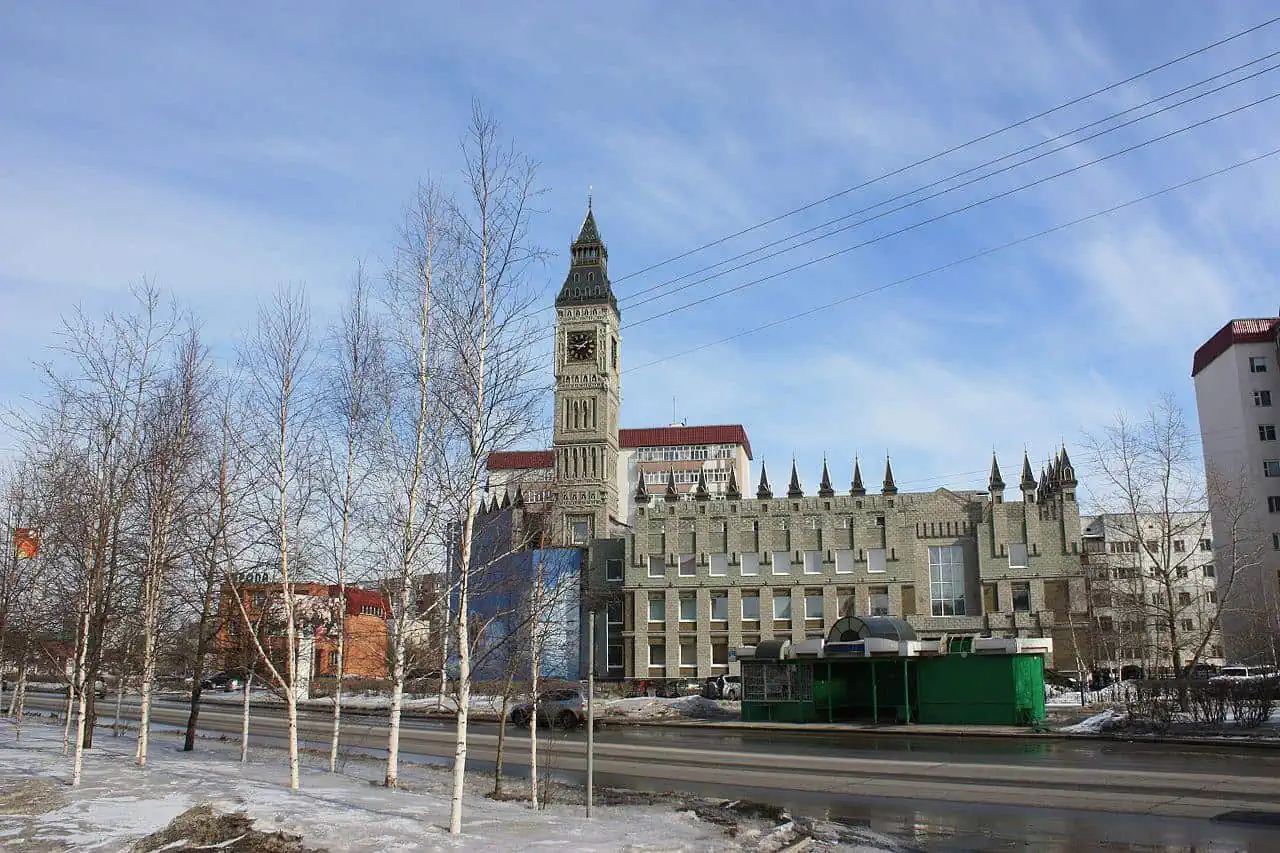
The Big Ben-shaped school of foreign languages in Surgut
photography by: alexandergroshev/ Wikimedia Commons
With its history dating back to 6300 BC, Ningbo is one of China’s oldest continuously inhabited cities and as of today, a major urban center and industrial powerhouse. While China is famous for its large-scale mimicry of European cities such as Paris and Hallstatt, Ningbo’s Dapeng Mountain replica park takes the duplication art to another level.
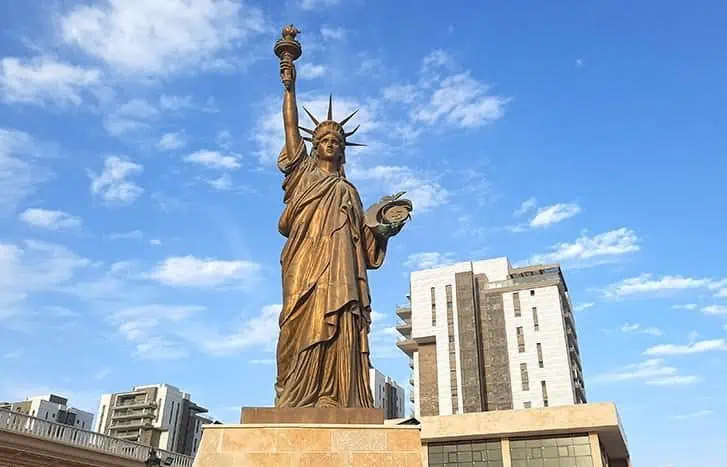
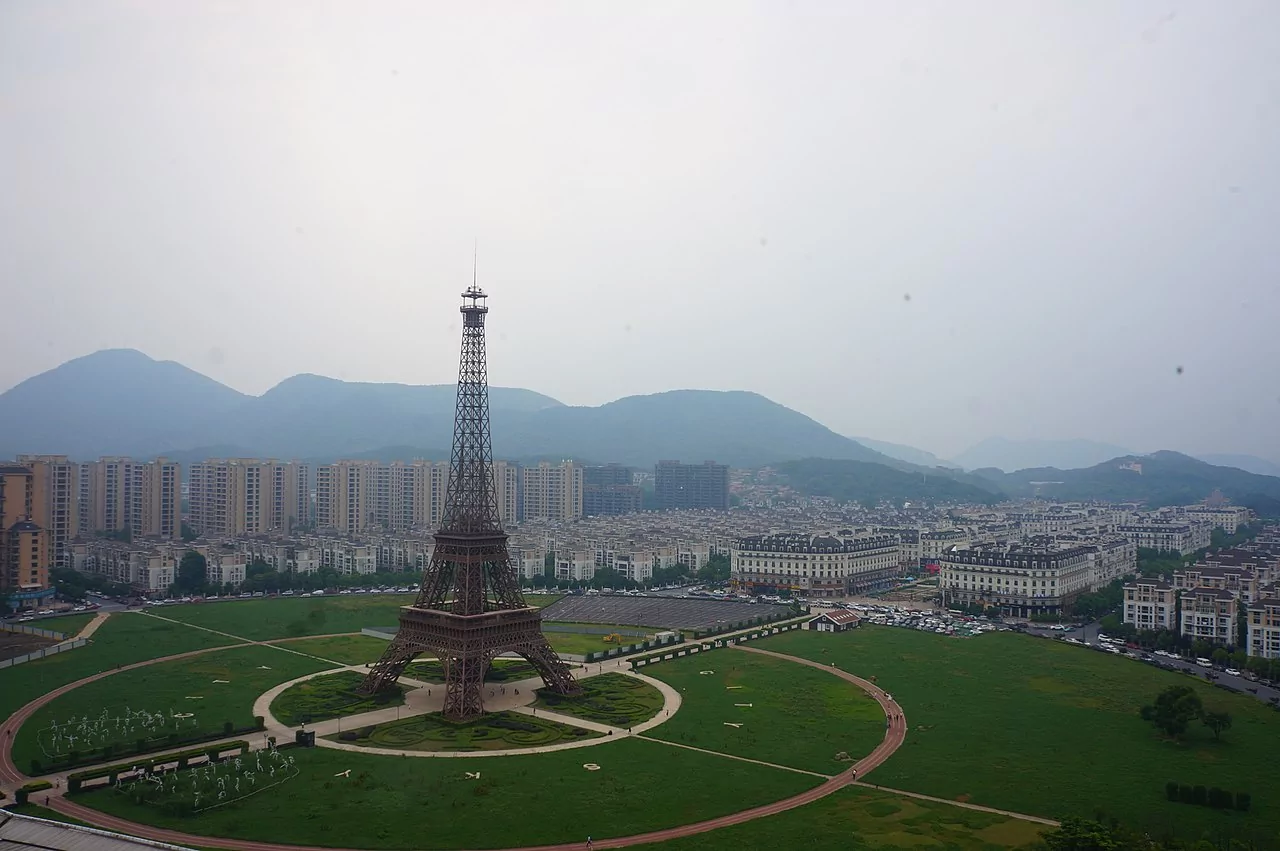
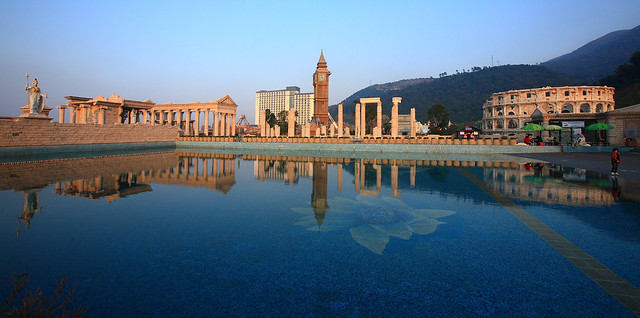
Wedged between the Dapeng Mountain and Jiaohu Lake, the “Around the World in Eighty Days” Park, as it is officially branded, is a lakeside theme park that offers dozens of replicas of world-famous landmarks, including the Eiffel Tower, Egypt’s Pyramids, the Statue of Liberty, Rome’s Colosseum, the Parthenon of Athens and you guessed it right, the Big Ben.
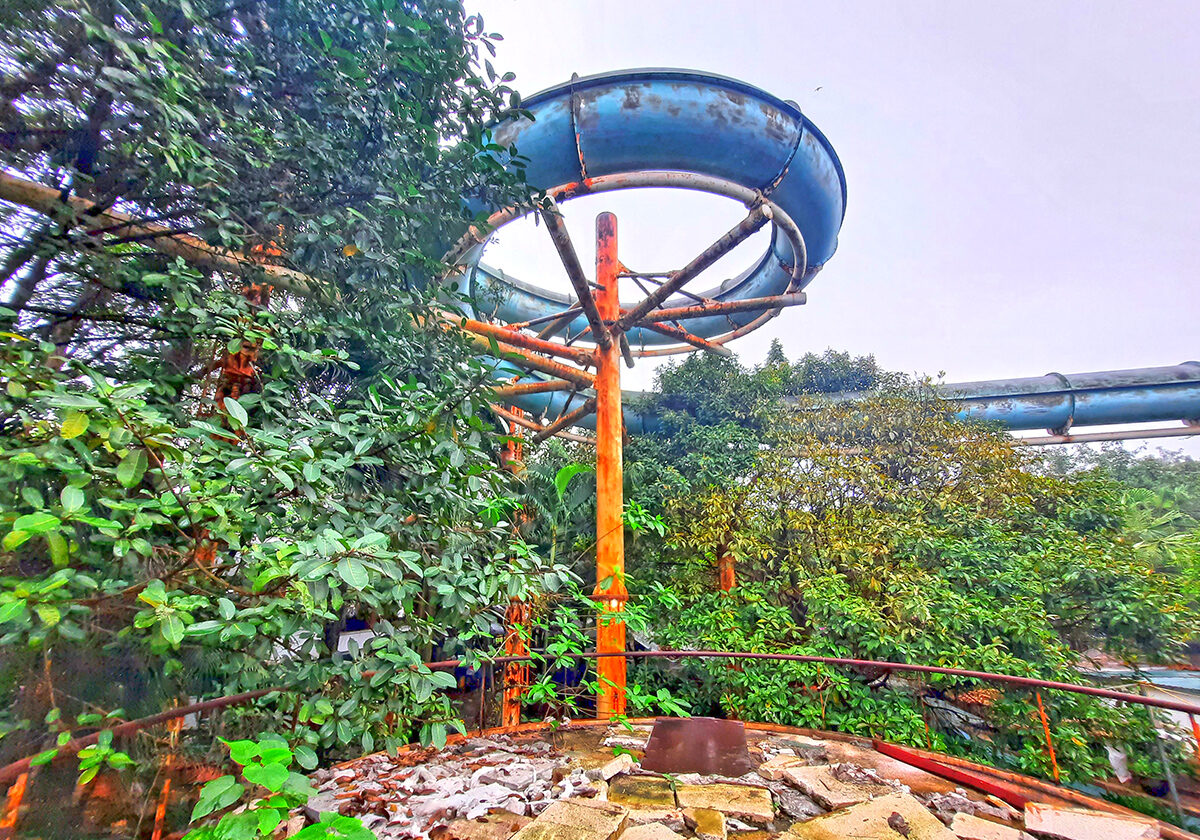
Despite of its many eye-catching neighbors, Ningbo’s Big Ben stands out as it towers above most of the other replicas and centrally located within the premises, surrounded by its own plaza. Aside from its architectural clones, the 250-acre park also has a luxurious hotel, a carousel, water slides and a host of other rides. Take note that this recreational complex is situated in the city’s faraway northern outskirts, and as such, is not-well served by public transportation, making taxi the only viable option of getting there.
Given its many globally-renowned theme parks, including the Walt Disney World Resort, it is more than reasonable to determine that Orlando can be considered as the American capital of architectural mimicry. Curiously, the city’s duplication epidemic didn’t skip the suburbs, as Kissimmee, one of Orlando’s more affluent satellite towns is home to its own version of London’s Big-Ben.
Nestled in Sunset Walk entertainment and shopping center, the newly built Yeoman’s Cask & Lion is a UK themed pub that takes pride in its ultra-British menu, music and most importantly, its design. Towering over the pub is the centerpiece of this British culinary enclave, a 61 feet tall replica of Elizabeth tower, which despite being 5 times smaller than the original, it is claimed by the pub owner as the Big Ben’s tallest replica in North America.
Possibly the 21st century’s most significant city, the booming metropolis of Dubai boasts an endless hodgepodge of pioneering mega-projects. Whereas replicas of famous landmarks are often regarded as controversial in well-established cities, Dubai serves as an architectural petri-dish, and as such, it is home to some of the world’s wildest and most unrestrained types of buildings, some of which eerily resemble well-known foreign monuments.
Situated along Dubai’s Sheikh Zayed Road, the 69-story Al Yaqoub Tower might seem in first glance like a mundane piece of lucrative real-estate. However, according to its architect, Adnan Saffarini, this slender and super-tall skyscraper was inspired by the Big Ben in London. Completed in 2013 after six years of construction, and now hosts a 224-room hotel, Dubai’s big ben lacks any clocks or bells, but what it lacks in authenticity it more than makes up for in being overwhelmingly taller than its source of inspiration, with a whopping 328 meters compared with the original’s measly 91 meters.
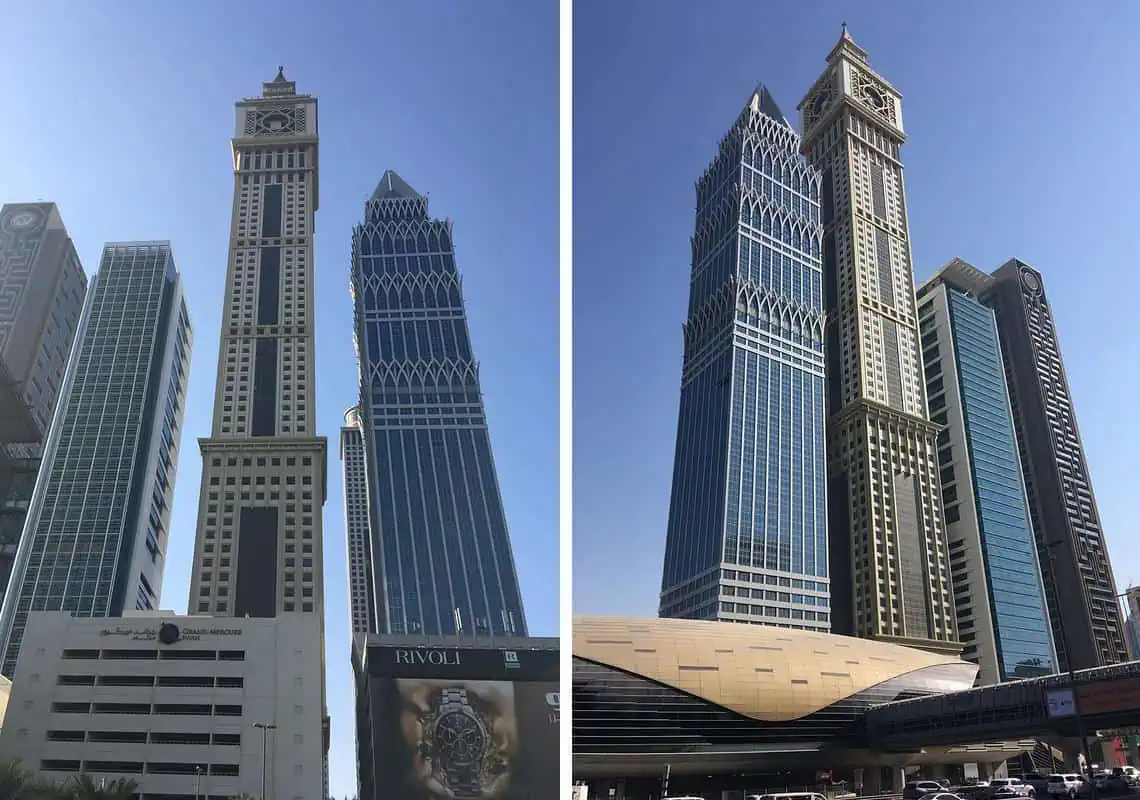
Sandwiched between two other skyscrapers, Dubai's Al Yaqoub Tower
photography by: Sergei Gussev/ Flickr
Located on the northern tip of Sulawesi Island, Manado is the provincial capital of Northern Sulawesi as well as the second most populous metropolitan area in the island. In recent years, the city became a magnet for vacationists who are drawn to its surrounding natural wonders, particularly to Bunaken Island and its ample marine scenery.
In sheer contrast to its long list of popular getaways, Manado’s CitraLand neighborhood gets only a fraction of the tourist throngs who swarm the area. Founded in 2003 by a local real estate firm, CitraLand is an ultra-wealthy suburb of Manado, where the city’s elite, expats and well-off people are insulated from the gritty reality elsewhere around. As part of their continuous effort to differentiate CitraLand from the rest of Manado and market it to potential buyers, the land developers erected dozens of monuments all across the neighborhood. Among the myriad of eye-catching places, buildings and sculptures are the Jesus Blesses, the world’s forth tallest statue of Jesus, a water park, a group of formidable sculpted horses and of course, a local replica of the Palace of Westminster’s famous tower.
Roughly 25 meter tall, Manado’s Big Ben, also branded as the Tower of Blessings, is strikingly white, with elongated openings lined along its façade. A spiral staircase provides access to the tower’s observatory deck, yet unfortunately, most of the time the door is locked, and so, contacting the company’s office is probably your only chance of getting inside.
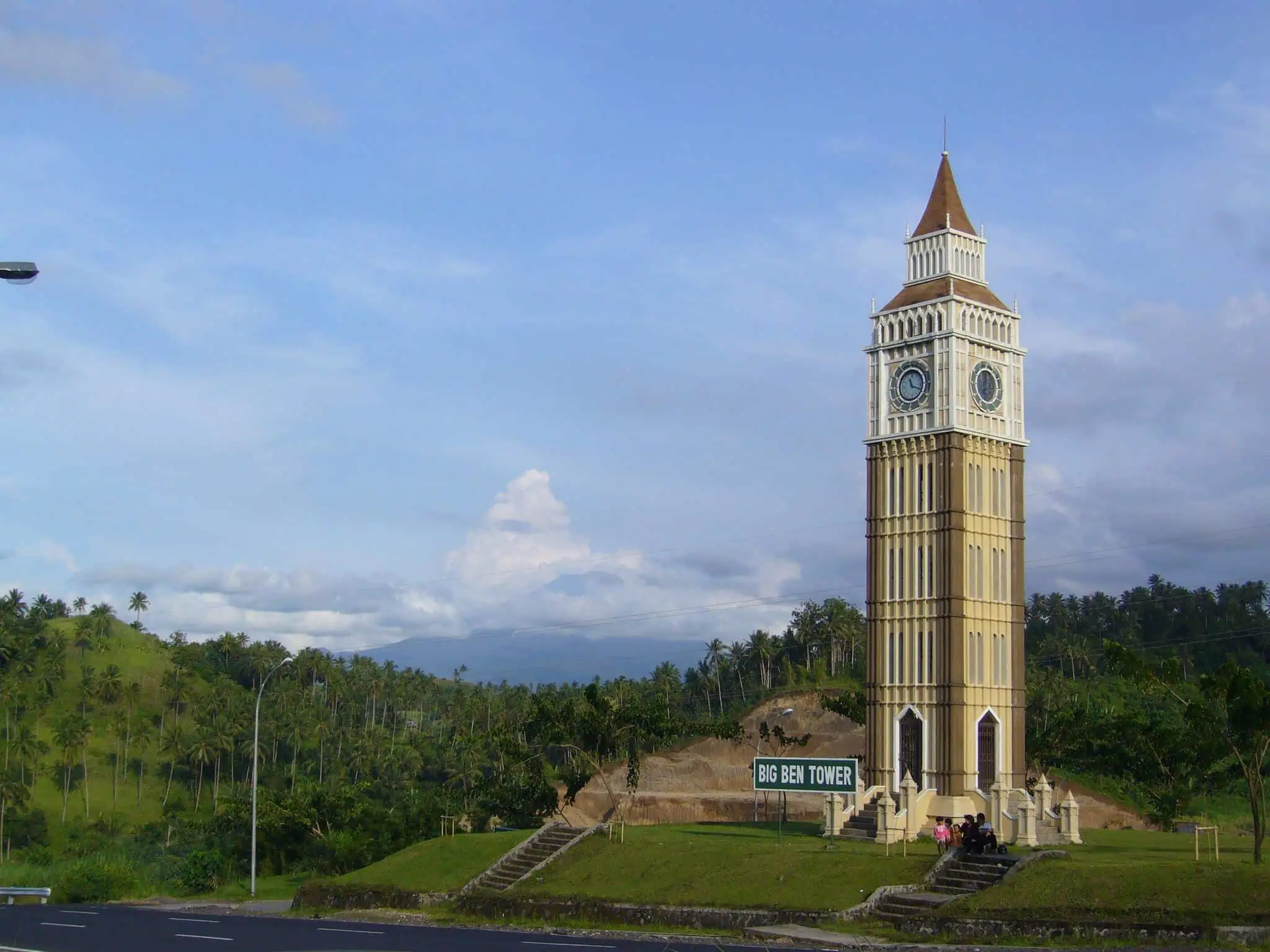
Manado's replica of the Big Ben at its early days, before being fully painted in white
photography by: Matt Zeth/ Flickr
Ravaged by a brutal civil war since 2014, Yemen is one of the world’s least visited countries, but make no mistake as its unflattering status has nothing to with a lack of things to see. Serving as the country’s de-facto capital, the port city of Aden has its fair share of war-related hardships over the years, and as ludicrous as it may sound, it has its own spectacular replica of the UK’s iconic clock-tower.
Inspired by London’s Elizabeth Tower, Aden’s iconic clock-tower was constructed in 1890 by British architects and engineers as well as local workers, when the region was still a part of a British crown colony. In fact, according to some unverified claims, Queen Elizabeth spent her honeymoon in the close-by Crescent hotel, from where she enjoyingly heard the tower’s chimes.
Nestled on top of a hilly part in Al-Tawahi neighborhood, the 22-meter tall and 1.5-meter-wide Yemeni Big Ben features black stones mixed with cement and is topped by a triangular red roof. A metal staircase inside the building leads to the upper deck, from where one can have a panoramic view of Al-Tawahi’s narrow alleys and the nearby port.
Often dubbed as the “Big Ben of the East” or even the “Big Ben of the Arabs”, the tower underwent a tumultuous time, first when it fell into a state of disrepair during the 1960’s, and then thoroughly renovated in 1983 only to be looted and severely damaged three years later in what is known as the Events of 1986. Luckily, it was restored in 2012 and once again revered as one of Aden’s most prominent icons.
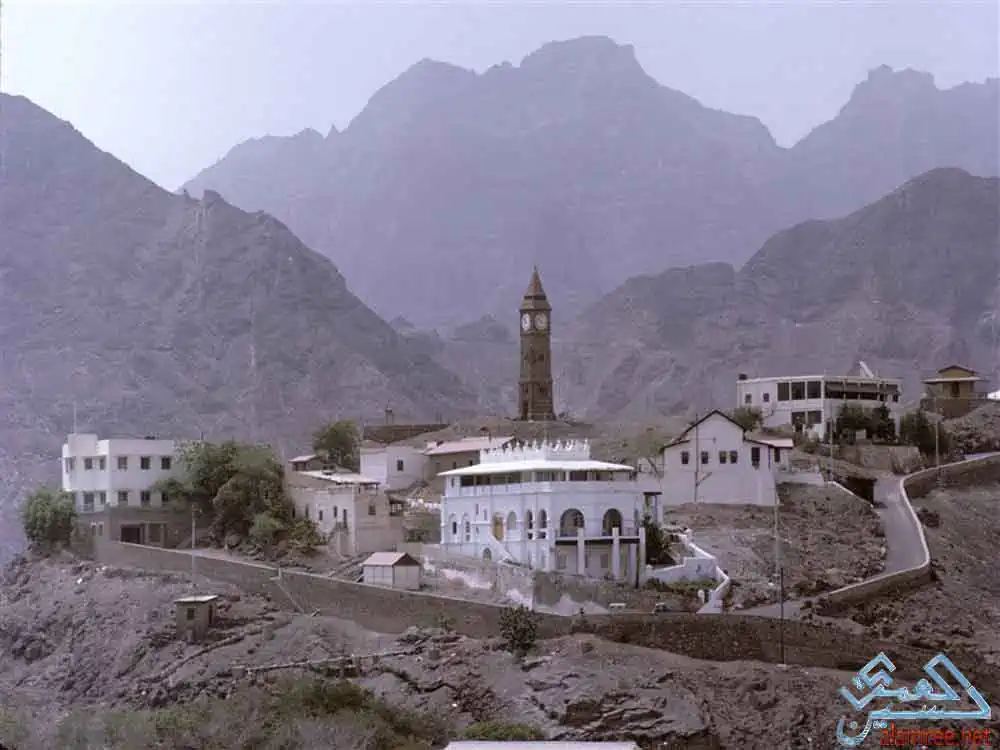
The clock tower of Aden as it was in the 1960's
photography by: العمري/ Wikimedia Commons
In contrary to all of the previously mentioned replicas, Nantwich’s Big Ben no longer exists. Fortunately, it wasn’t because of an unforeseen disaster, but due to the tower being a temporary exhibit, part of a 20-year-old annual tradition that still takes place to these days.
Most of the time, the Snugburys Ice Cream rural farmhouse in Nantwich, Cheshire offers just a generous assortment of scrumptious ice-cream. However, each year (usually in August), the farm’s owners, Chris and Cheryl Sadler, together with a local engineer named Mike Harper, erect a massive monument made entirely of straw and reinforced with a steel skeleton, which is designed by Mike.
Over the last two decades, the farm created a series of breathtaking hay sculptures, including versions of the Millennium Wheel, a coneastrawus, a meerkat, the Snugnik Rocket and in 2009, a straw replica of the Big Ben. Marking the 150th anniversary of the country’s most iconic monument, the grassy tower was made of 500 bundles of straw, weighing over 20 tones in total, while its clocks were fully functional at that time. This unusual landmark reached a staggering height of 72 feet, not bad at all for a straw skyscraper.
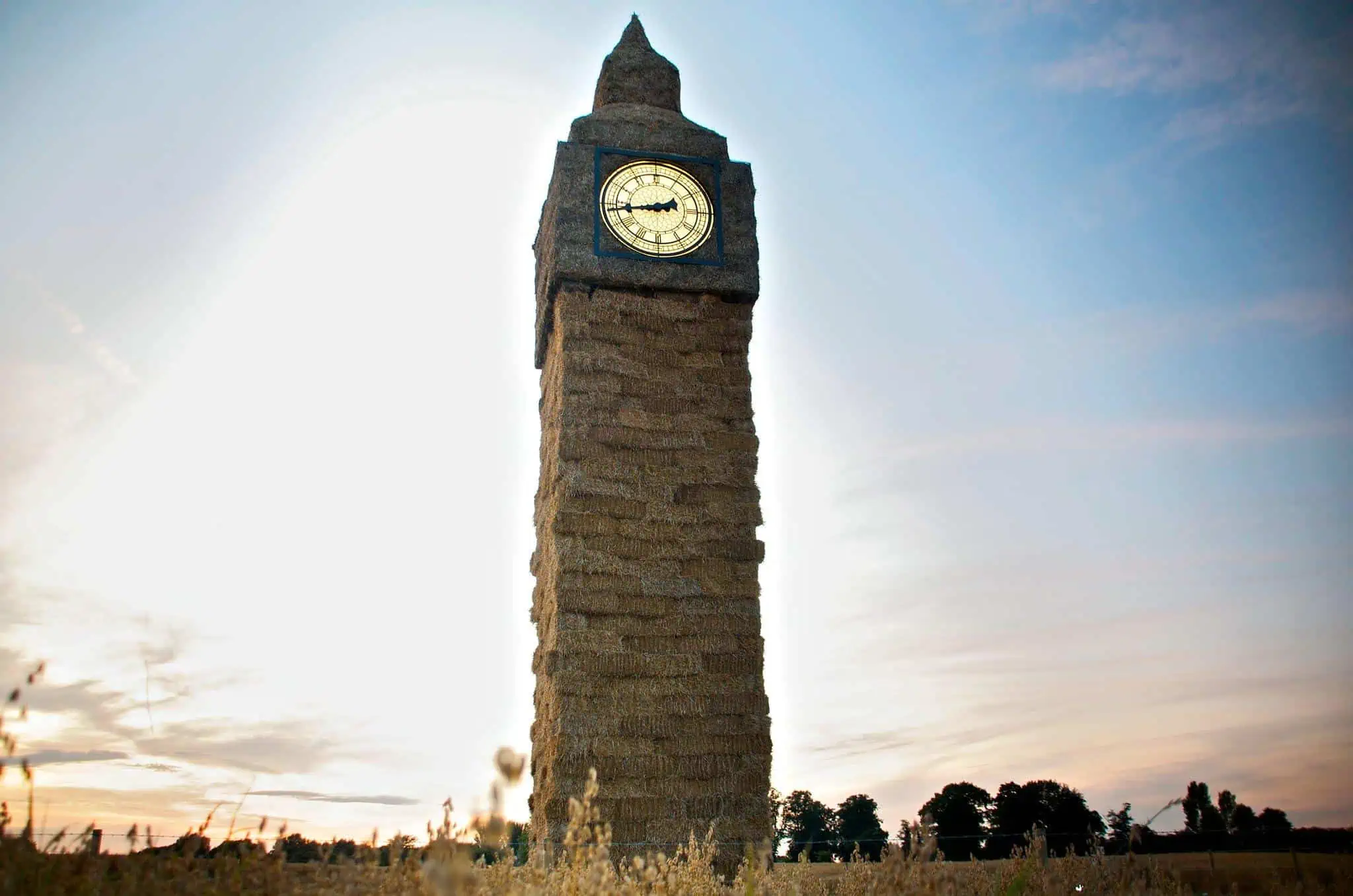
Nantwich's hay sculpture of the Big Ben in 2009
photography by: Paul/ Flickr