
When most people think of capital cities, the first thing that comes on mind is a huge metropolis and home to millions of people which serves not only as a regional and national focal point but also enjoys international importance and acknowledgement. It may come as a surprise that some capital cities are just a small speck in our vast planet, far more resembling a fishing village or a small scaled city block.

By: Richard Halsey
Date: 13:17 06.06.20
Last Update: 00:05 16.06.22
Named after its country, San Marino is the second least populated capital city in Europe, but don’t let its miniscule size to underestimate this tiny town, since it’s not only the capital of the oldest republic in the world but also home to the oldest constitution of any sovereign nation. Located on a top of Mount Titano just 10 Km from the coastal city of Rimini, Italy, San Marino with its narrow streets is surrounded by walls culminating with three towers and a spectacular panoramic vista of the surrounding area.
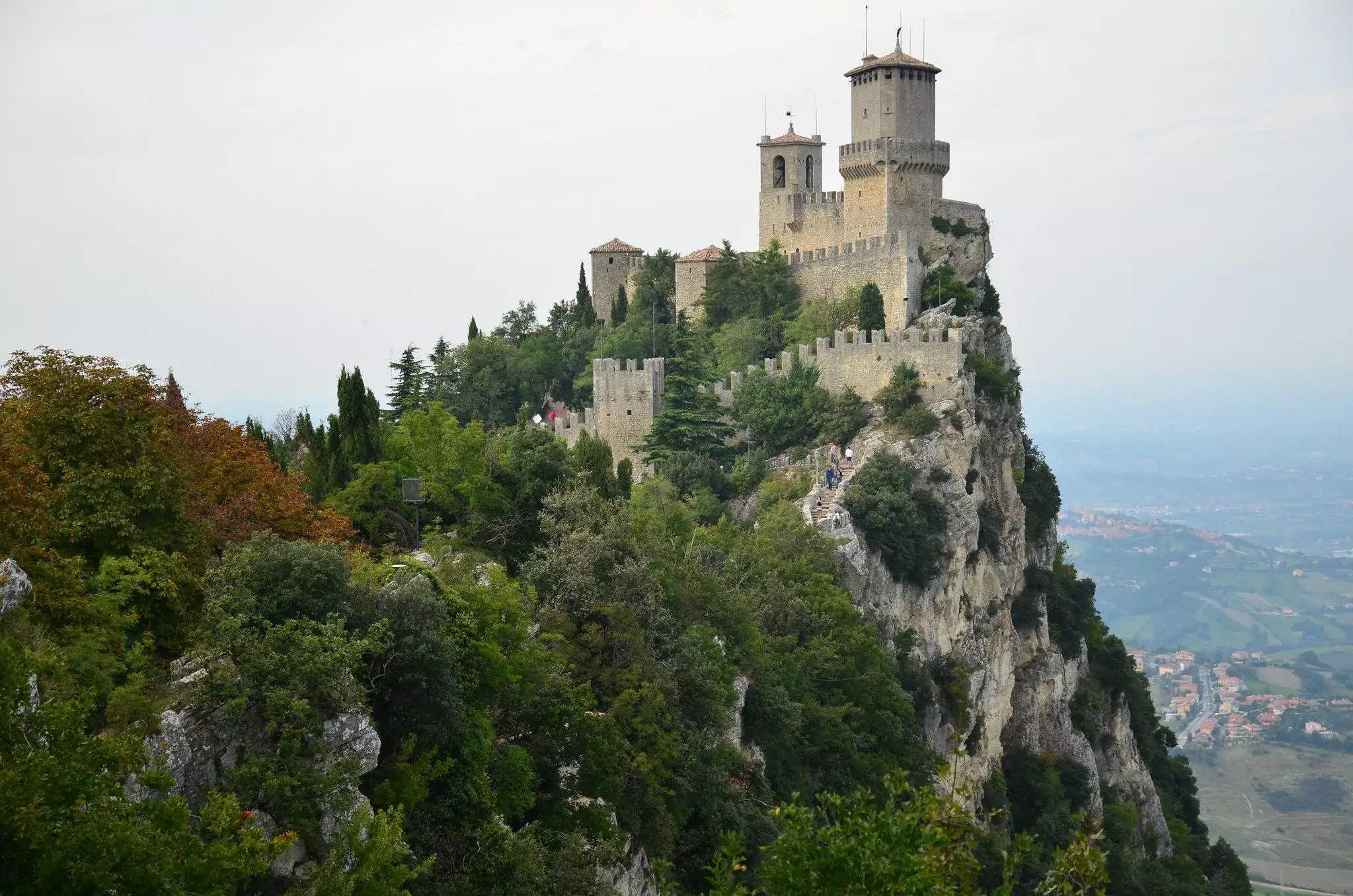
San Marino fortress, San Marino
photography by: Anthony Gonzalez
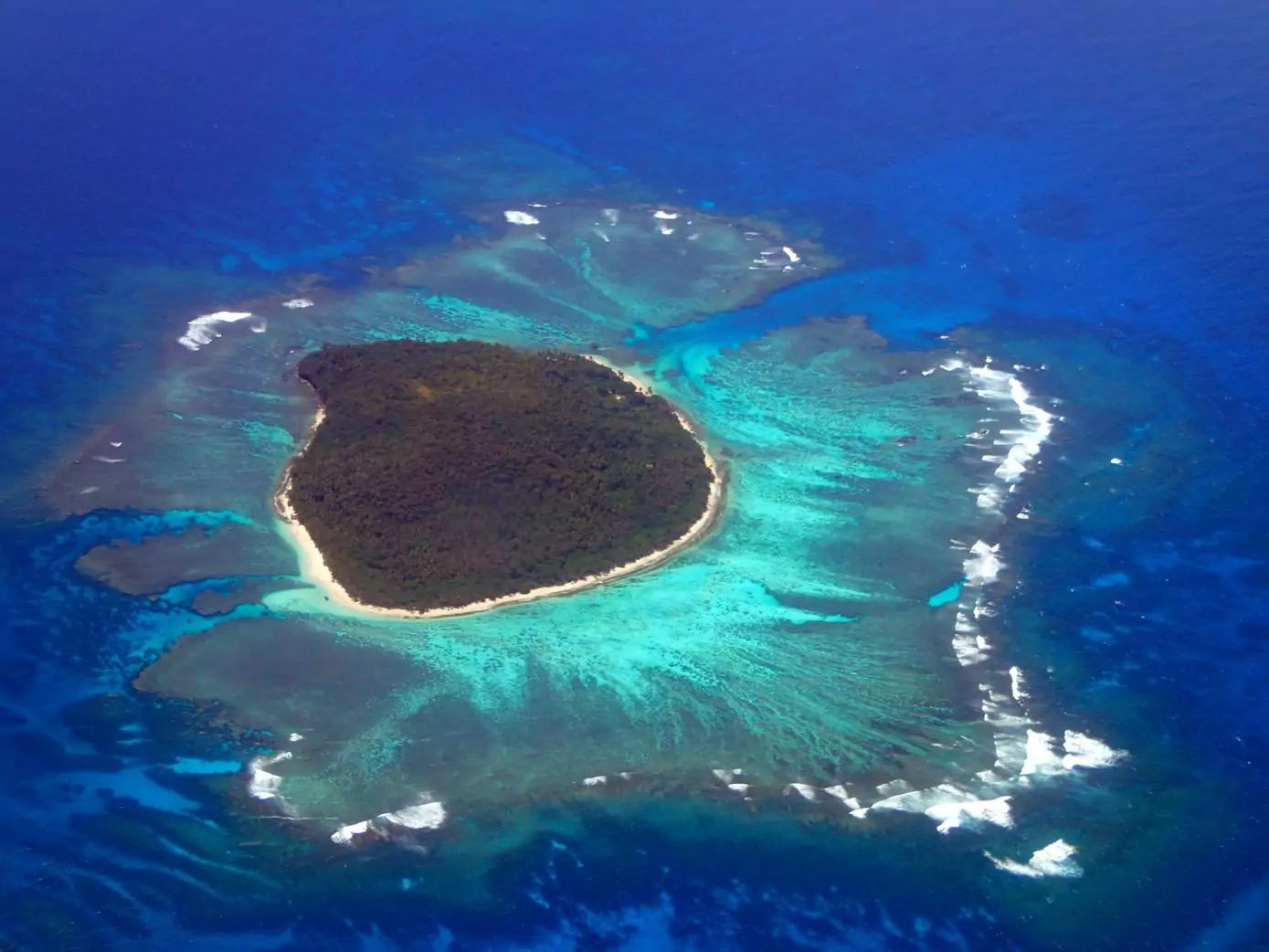
Spanning over an atoll at the Pacific Ocean, Funafuti is the capital city of Tuvalu, the third least populated and forth smallest country in the world. Due to its remoteness and lack of flights (just 4 weekly flights) only few dozen tourists visit the town each year. Funafuti has an average elevation of less than 4m making it extremely vulnerable to climate change which threatens to submerge the entire country under the Pacific Ocean. Visitors who look for an urban experience may find themselves disappointed since Funafuti resembles more of a fishing village rather than a capital city, nevertheless the lagoon with its coral reef not only offers diverse marine life and snorkeling but also spectacular sunsets.
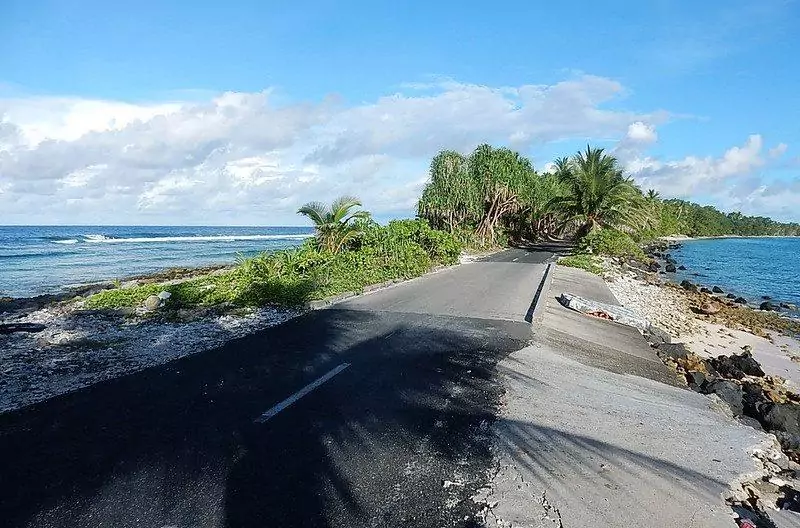
The main road of Funafuti, Tuvalu. The entire country is merely few meters wide in some parts.
photography by: Michael Coghlan
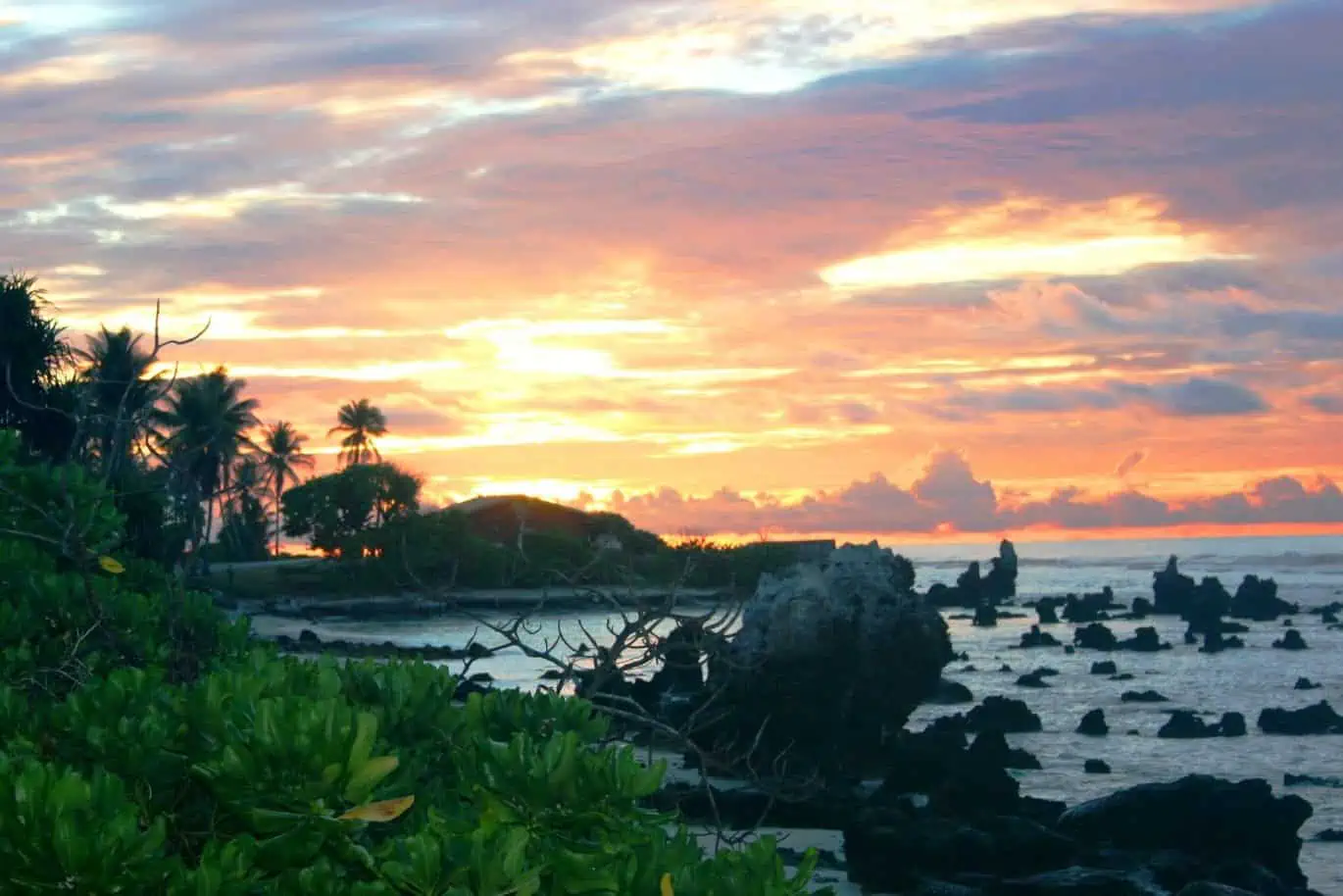
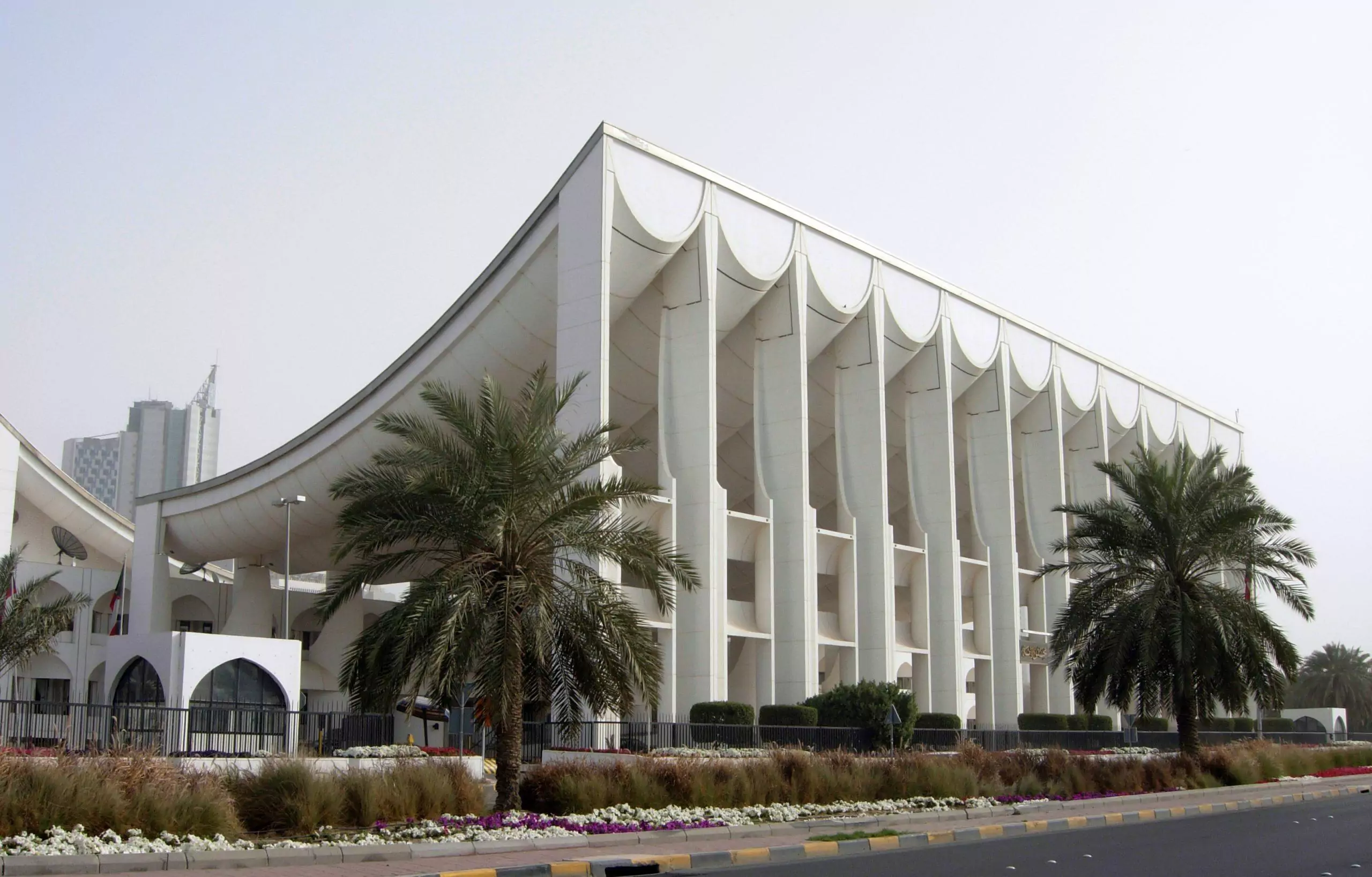
Although the second least populated and third smallest country worldwide, the single island nation of Nauru is officially the only sovereign country without a formal capital city, the district of Yaren is used as the de-facto capital. Most of Yaren is allocated for the country’s only airport while it’s also home to Nauru’s parliament, national stadium, the island’s sole police and fire stations and the Taiwanese Embassy. Nauru is known as the least visited country in the world, so don’t expect to find swarms of tourists roaming around the island which has just two hotels, but what Nauru lacks in tourist infrastructure it makes up by the abundance of friendly and hospitable people.
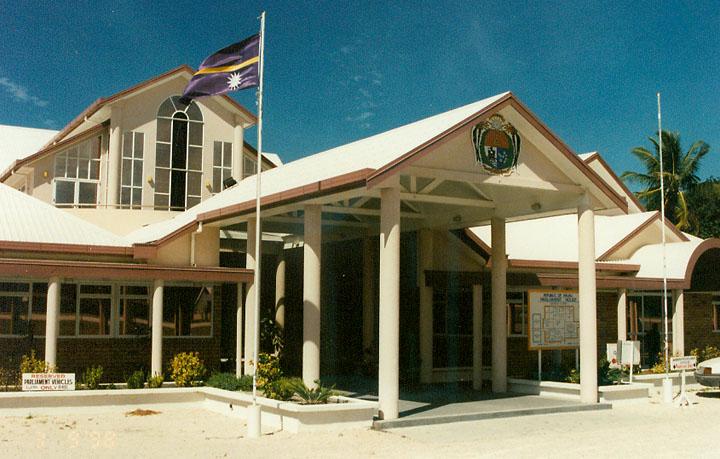
Nauru Parliament, Yaren
photography by: CdaMVvWgS
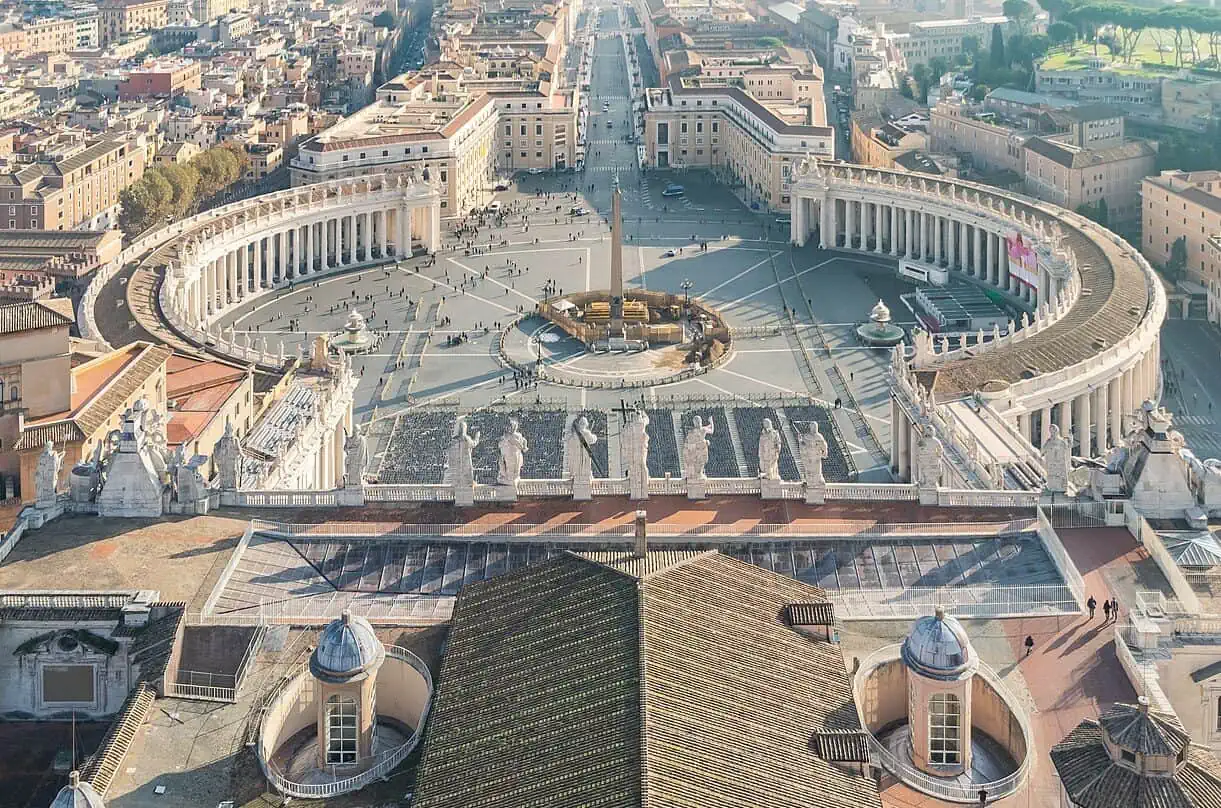
Officially the smallest country on Earth, the Vatican City covers merely 0.44 Km2 and has a population of less than 1,000 inhabitants, thus the capital city and the entire nation are practically synonymous to each other. Home to the pope, leader of the Catholic faith, the Vatican City attracts roughly 20,000 visitors each day, tourists and pilgrims alike are drawn not only to come near the holy-see but also to gaze in awe at some of the world’s most iconic art-pieces like the Creation of Adam in the Sistine Chapel by Michelangelo. The Vatican City might be smaller than some shopping malls or stadiums, yet its miniature size doesn’t reflect its global importance and the reverence by more than one billion people who adhere to Catholicism.
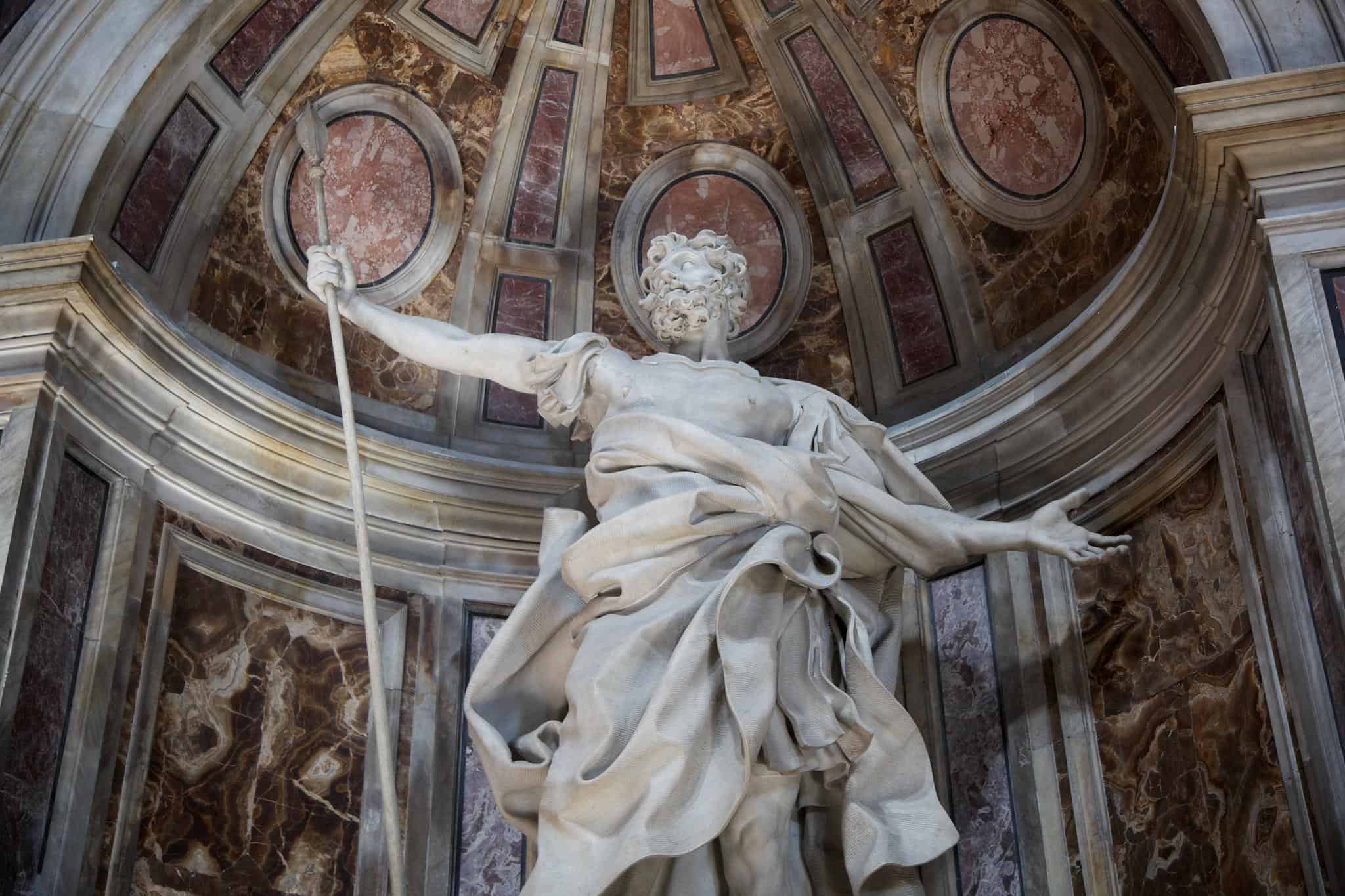
Vatican City
photography by: Aurelien Guichard
While Palau is definitely a small country, it’s still not among the smallest ones, but its capital, Ngerulmud, is officially the smallest capital city of any country with just 271 registered residents. Practically, the capital city is simply the capitol complex with its three buildings for each governmental branch and few coastal homes nearby whereas Koror, the former capital, is still by far the most populated city and the economic heart of the country. Inaugurated in 2006, Ngerulmud capitol complex was designed according to Neo-classical guidelines with some gestures for the local heritage such as a traditional Palauan hut connecting two of the main buildings in the complex.
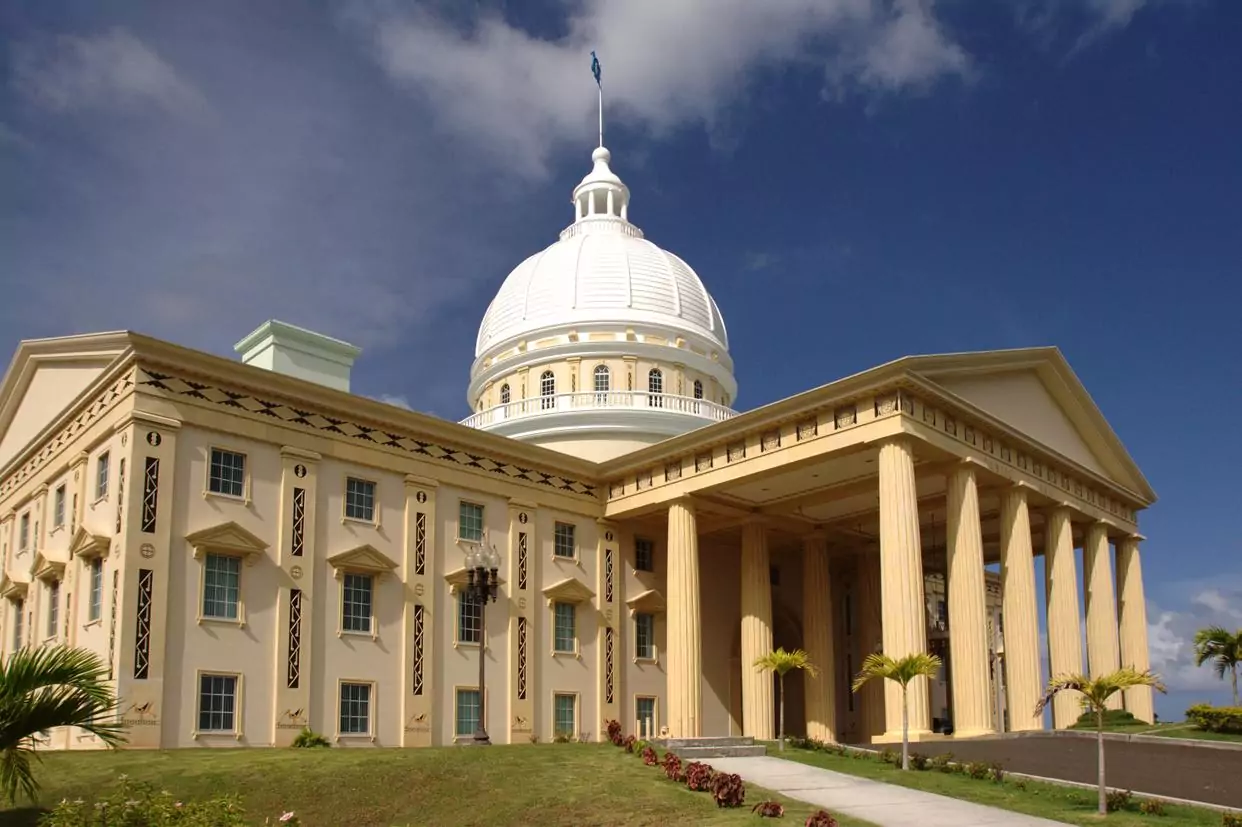
Palau Parliament at Ngerulmud
photography by: LuxTonnerre